Home › News › Rental occupancy cap of eight unrelated persons extended to 2028
Rules
Rental occupancy cap of eight unrelated persons extended to 2028
HDB and URA announced on 16 January 2026 that the relaxed rental occupancy cap now runs to 31 December 2028. See who it covers and the steps required.
- 31 December 2028new end date of the relaxation
- 21,000HDB flats and private homes estimated to complete in 2026

Can you still rent to eight unrelated people?
Can you still rent your home to up to eight unrelated people? The Housing & Development Board (HDB) and the Urban Redevelopment Authority (URA) announced on 16 January 2026 that the relaxed occupancy cap now runs until 31 December 2028. It covers 4-room and larger HDB flats, and private homes of at least 90sqm. HDB owners seek HDB's approval first, and private owners who want the cap of eight register with URA.
The extension is for another two years, up from an end date of 31 December 2026. The release calls it a temporary measure which seeks to meet sustained rental demand. It defines unrelated persons as persons not from the same family unit.
What changed on 16 January 2026
The release's headline change is the end date. The release says the cap was first relaxed in January 2024 to allow 4-room and larger HDB flats, and private residential properties of at least 90sqm, to house up to eight unrelated persons. The cap before that was six. The relaxation was due to run until 31 December 2026, and the release moves the end to 31 December 2028.
| Item | Until the extension | With the extension |
|---|---|---|
| Relaxation runs until | 31 December 2026 | 31 December 2028 |
| Maximum unrelated persons in 4-room and larger HDB flats | Up to eight, up from the previous cap of six | Up to eight |
| Maximum unrelated persons in private homes of at least 90sqm | Up to eight, up from the previous cap of six | Up to eight |
| Length of the extension | Not applicable | Another two years |
Source: HDB and URA, release of 16 January 2026.
The table separates what moved from what stayed. The cap of eight, and the categories of home it covers, are as the release describes them for the relaxation since January 2024.
The release gives its reasons in paragraph 3. The Government has progressively ramped up the supply of public and private housing. From 2023 to 2025, close to 100,000 homes were completed across the public and private residential markets, and in 2026 an estimated 21,000 HDB flats and private homes are expected to be completed.
| Period | Homes completed or expected, HDB flats and private homes |
|---|---|
| 2023 to 2025 | Close to 100,000 completed |
| 2026 | An estimated 21,000 expected to complete |
Source: HDB and URA, release of 16 January 2026, paragraph 3.
The release says the increase in housing supply has helped to alleviate the tightness in the rental market and contributed to the moderation in the increase of residential rents. It then adds that overall rental demand remains strong, and on that basis HDB and URA decided to extend.
Who is affected, and who is not
Three groups are named. HDB flat owners, and owners and tenants of HDB commercial properties with living quarters, are required to seek HDB's approval before the tenancy starts. Applications to rent out HDB flats or bedrooms may be submitted online through HDB's e-services. Owners and tenants of HDB commercial properties apply through the GoBusiness Portal.
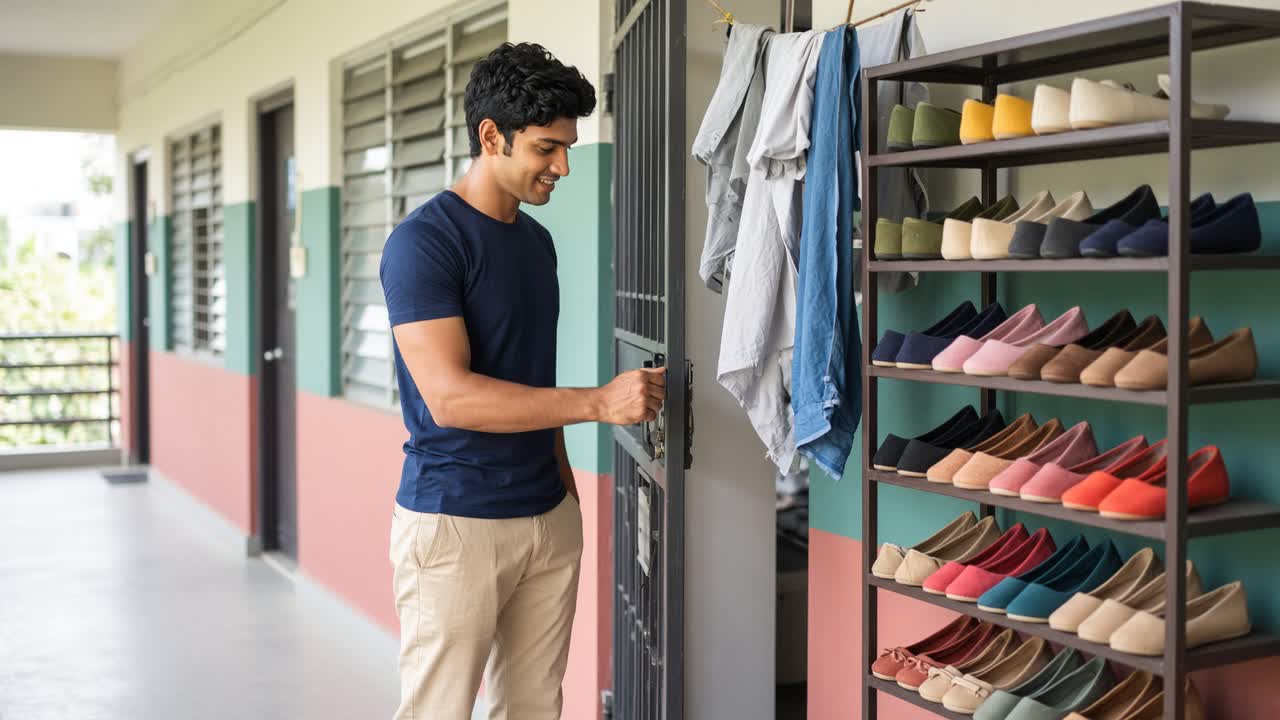
Owners of private homes of at least 90sqm who intend to qualify for the higher cap are required to register with URA, through URA's website. After a successful registration, owners are informed that they are authorised for the home to accommodate up to eight unrelated persons.
| Who | What the release says they must do | Where |
|---|---|---|
| HDB flat owners | Seek HDB's approval before the tenancy starts | HDB's e-services, online |
| Owners and tenants of HDB commercial properties with living quarters | Seek HDB's approval before the tenancy starts | The GoBusiness Portal |
| Owners of private homes of at least 90sqm who want the higher cap | Register the property with URA | URA's website |
| Owners of any other private home | No registration needed to rent to up to six unrelated persons | Not applicable |
Source: HDB and URA, release of 16 January 2026, paragraphs 4 and 5 and footnote 1.
Who is not affected? A footnote says owners of all private residential properties can continue to rent out to up to six unrelated persons without registering with URA. The registration step is only for owners who want the higher cap of eight.
The release does not say whether any type of HDB flat smaller than 4-room has a relaxed cap, and it does not give a cap for one. The release lists HDB's enquiry channels, set out below.
What the numbers show
There are only a few numbers, and they are easy to hold in your head. The relaxed cap of eight is two persons above the previous cap of six. The relaxation now ends 31 December 2028. The release cites close to 100,000 homes completed from 2023 to 2025, and an estimated 21,000 for 2026.

| Cap | Unrelated persons |
|---|---|
| Previous cap | 6 |
| Relaxed cap, to 31 December 2028 | 8 |
Source: HDB and URA, release of 16 January 2026.
Source: HDB and URA, release of 16 January 2026.
The chart sets the two caps side by side. It is a reminder that the extension is about how many unrelated persons may share a home, and that the change from six to eight dates from January 2024, not from this release.
One more point matters. The release says approval or authorisation to rent to up to eight unrelated persons will be revoked or cease in the event of serious dis-amenities.
What this means for you
Take three illustrative landlords. Landlord A has a 4-room HDB flat. Landlord B has a private home of at least 90sqm. Landlord C has a private home and has not registered with URA. These are examples, and the terms are the release's own.

| Illustrative landlord | Home | Step the release names | Most unrelated persons |
|---|---|---|---|
| Illustrative landlord A | 4-room HDB flat | HDB's approval before the tenancy starts, applied for online | Eight, once approved |
| Illustrative landlord B | Private home of at least 90sqm | Register the property with URA | Eight, once registered |
| Illustrative landlord C | Private home, not registered with URA | No registration needed | Six |
Source: Landlords are illustrations. Terms are from HDB and URA, release of 16 January 2026.
Swee Homes' suggestion: check the type and size of your home first. Then do the step the release names for it: HDB's approval before the tenancy starts, or registration with URA. For an HDB flat, the release puts the approval before the tenancy starts.
The exception is the number of tenants. If you are not registered, the private-home ceiling is six unrelated persons, as the footnote says. A landlord who wants eight needs the registration.
Tenants are covered too. The release says HDB flat owners, owners and tenants of HDB commercial properties with living quarters, and private owners, including their tenants, are required to adhere to the occupancy cap and minimise dis-amenities to the public. Tenants of HDB flats are not named in that sentence, so use the HDB enquiry channels listed below if you are unsure.
Swee Homes' take
The release is short, and the useful reading is about what it leaves out. It gives no count of how many flats or private homes have used the higher cap since January 2024, and no count of private registrations with URA. It does not define serious dis-amenities or say who decides that a case is serious. The release's own words are serious dis-amenities.
Per the release, approval or authorisation is revoked or ceases in the event of serious dis-amenities. The release asks owners and tenants to adhere to the occupancy cap and minimise dis-amenities to the public.
The release gives no rent figures or forecasts, so none is offered here. If you are a tenant sharing a home, ask the owner whether the approval or registration is in place.
What to watch next
The date to keep is 31 December 2028. The release says HDB and URA will continue to monitor the situation in the rental market closely, and review the need to extend the temporary relaxed cap beyond 2028. It gives no date for that review.
For questions, the release lists channels. For HDB flats and living quarters, the public can write to HDB using its e-Feedback form or call the HDB Branch Service Line or the HDB Commercial Enquiry Line. For private homes, the public can use URA's e-Feedback form or call the URA Development Control Line.
The Annex to the release, which Swee Homes read on 14 November 2026, adds the starting point: the cap of eight has applied since 22 January 2024, in 4-room and larger HDB flats, equivalent living quarters and private homes of at least 90sqm. It shows 1- and 2-room flats stay at 4, 3-room flats stay at 6, and private homes under 90sqm stay at 6. It also notes that the cap includes the flat owners and the occupiers, as well as the tenants.
To sum up: confirm your type of home, do the approval or registration step the release names, and keep within the cap. The stamp duty on a lease is a separate subject, covered in the Swee Homes guide on rental stamp duty.
Go deeper
About the figures
Figures from the HDB and URA release 'Extension of Temporary Relaxation of Occupancy Cap for Rental of HDB Flats and Private Residential Properties', published 16 January 2026, read on 19 October 2026. General information, not financial advice.
Sources: HDB and URA news release, 16 January 2026, read 14 November 2026; HDB and URA release, Annex, 16 January 2026, read 14 November 2026.
To report an error, write to hello@sweehomes.com. The newsroom checks it against the source and shows any correction at the top of the story with its date.